




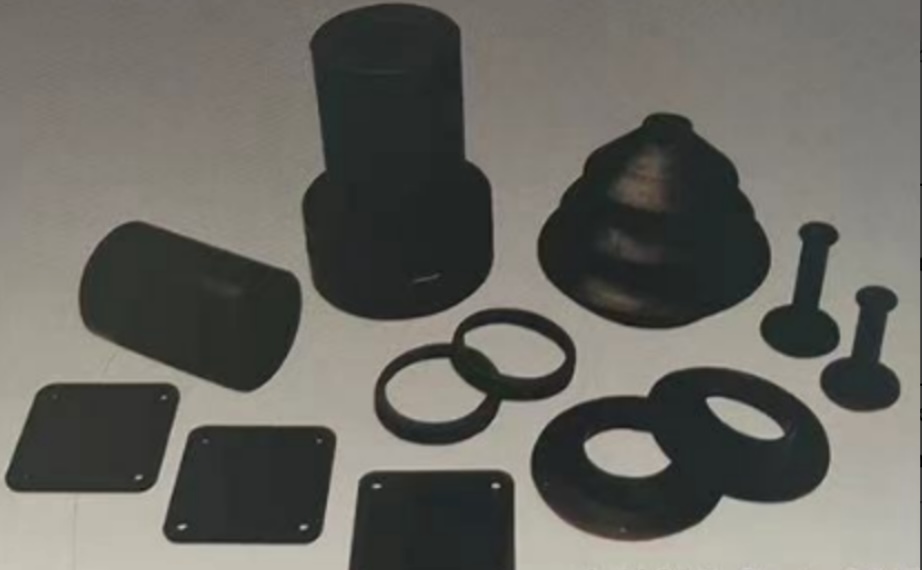

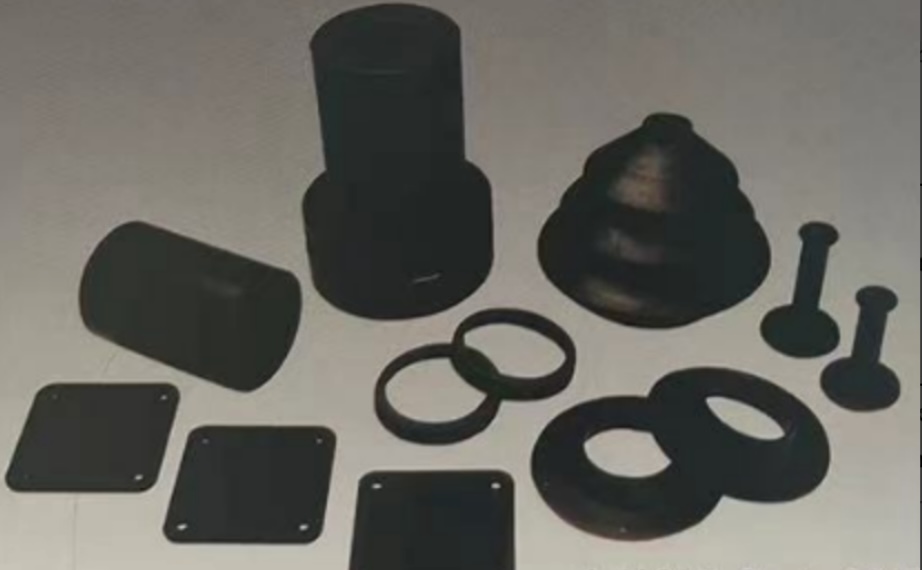
Rubber Gaskets


Where to Use Which: Application Guide for Rubber Gaskets, Dust Seals, V-seals, and O-rings
Engineers face a constant challenge: selecting the right seal for the job. Every day, you look at blueprints, open maintenance manuals, or walk a production floor. A flange is leaking. A cylinder is failing. A shaft is wearing out. The culprit? Often a bad seal choice. This guide provides practical scenarios to help you choose among rubber gaskets, dust seals, V seals, and O rings. Rubber Gaskets are ideal for static flange joints.
Think about a pump housing. Two metal surfaces bolted together. They look flat, but under a microscope, they are full of scratches, tool marks, tiny valleys. Fluid finds those paths. A rubber gasket goes between them. You tighten the bolts. The gasket compresses, flows into those imperfections, blocks the leak. Use them on pump housings, valve covers, pipe flanges, access panels. Large areas? Irregular shapes? No problem. If your application involves two stationary surfaces that need sealing, a rubber gasket is often the solution. Remember: they are not for moving parts.
Now consider a hydraulic cylinder on a backhoe. The rod extends and retracts, slides in and out of the cylinder. Dust, mud, sand are everywhere. If those contaminants get past the rod seal, they score the cylinder wall, destroy the piston, ruin the whole unit. What do you add? Dust Seals belong on hydraulic cylinders, pneumatic actuators, linear guides, any reciprocating shaft exposed to dirt.
Install them on the external side of the primary pressure seal. Their job is exclusion, not retention. A flexible lip wipes the rod clean every time it retracts. Scrapes off mud, grit, water droplets. If your equipment operates in dusty, muddy, or wet environments, a dust seal will extend service life dramatically. They are the first defense against contamination. Replace them regularly; they wear out faster than pressure seals.
But what about rotating shafts? Electric motors. Gearboxes. Conveyor rollers. These shafts spin fast, often misaligned, sometimes with rough surfaces from wear. A standard lip seal will overheat, squeal, fail quickly. Here, a different geometry works best. V seals are the choice for rotating shafts with misalignment, runout, or rough surfaces.
The V shaped cross section is clever. As the shaft rotates, centrifugal force throws the seal lip outward. It barely touches the counterface, so friction is minimal. The shape creates a pumping action that pushes dirt away from the seal. No tight fit needed. You slide it onto the shaft; it self centers. Use them on electric motors, gearbox input/output shafts, agricultural equipment, conveyor rollers. They handle shaft speeds up to 20 meters per second. They tolerate angular misalignment that would destroy other seals. Installation is quick; you do not need special tools.
So when do you use the most common seal of all? Everywhere else. O ringsare the default seal for almost everything.
Hydraulic cylinders, pneumatic valves, quick connect couplings, fluid fittings, and countless other static and dynamic applications. The principle is simple: controlled deformation. You cut a groove, put the O ring in, compress it with the mating part. The round cross section flattens, creates two sealing contacts. Internal pressure pushes the O ring to the low pressure side, increasing contact pressure. Self energizing. Works from vacuum to high pressure. Works from -50°C to 200°C with the right material. If you have a groove, an O ring will likely fit.
Previous
Rubber Oil SealNext
No InformationSend Inquiry